Burden of Arthritis in Canada
Revealing the hidden economic and social cost of one of Canada’s most widespread chronic diseases

Publications
Explore CANCEA's public research and publications.
123 publications
Revealing the hidden economic and social cost of one of Canada’s most widespread chronic diseases
Not all approaches to measuring social value answer the same question. As interest in social value grows across infrastructure, transportation, energy, housing, and public policy, understanding what different methodologies capture—and what they miss—is critical to making informed decisions.
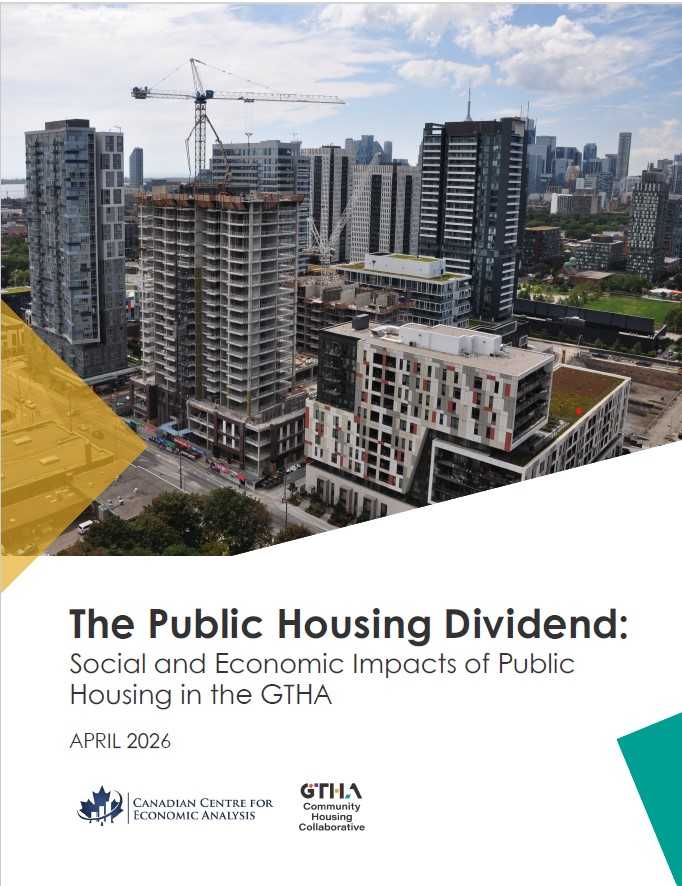
For decades, public housing has been treated as a cost to manage — a line in a budget to defend or to trim. The Public Housing Dividend asks a different and more important question: what is public housing actually worth to the people who live in it, the communities around it, and the economy as a whole?
Seeing Beyond the Averages At the Canadian Centre for Economic Analysis (CANCEA), our mandate is to provide independent, objective, and decision-grade insights. Traditional economic models often rely on top-down historical averages, which can obscure the reality of how people and markets actually behave. By utilizing our ONEMODEL™ platform—a living simulation that reconstructs the behavioural dynamics of the…

The Conductor Model: Direction with Magnitude for Human–AI Teams explains, in plain language, how to get the best of both worlds: humans set direction and guardrails; AI supplies scalable magnitude . Instead of asking “human or AI-who wins?”, the report shows how to divide cognitive labour so speed does not erode judgement. You will see how to protect causality, provenance, uncertainty, and accountability while…
Efficiency in the construction and maintenance of Ontario’s roads is vital to the province’s long-term prosperity. While provincial standards for asphalt exist, municipalities are not required to follow them and often develop their own specifications. This variability increases production complexity and cost, particularly within the Greater Toronto Area (GTA).
This report showcases how the City of Burlington partnered with the Canadian Centre for Economic Analysis (CANCEA) to apply the ONEMODEL™ platform, the largest agent-based socio-economic simulation system in North America, to long-term community foresight. By integrating over 58,000 regions of Canadian data with CANCEA’s VECTOR framework and 5W Attribution™ method, the analysis moves beyond static dashboards to…
In September 2025, the Canadian Centre for Economic Analysis (CANCEA) was proud to support Woodlands County, Alberta in completing its latest municipal census and community analysis. This comprehensive project was designed to give County Council, residents, and stakeholders a clear understanding of the people, services, and opportunities that shape the community’s future .
Our analysis shows how the use of surety bonding provides considerable protection and support to Canada's economy and the well-being of its residents. In total value terms, the lower end value of the use of performance and payment bonds for public infrastructure projects averages more than a four-fold payback on the premiums paid for protection , with 74% representing the avoided economic activity loss and 26%…
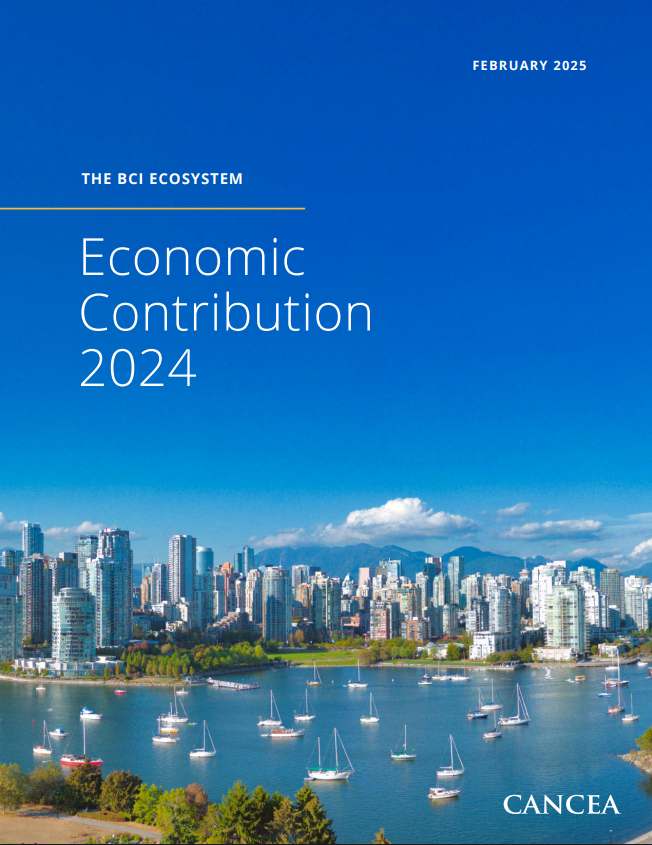
The British Columbia Investment Management Corporation (BCI) and its broad ecosystem play a pivotal role in supporting economic vitality throughout British Columbia and across Canada. This analysis quantifies the extensive impact of BCI’s investment management activities for 29 public sector clients, including 10 public pension plans and 3 insurance funds.
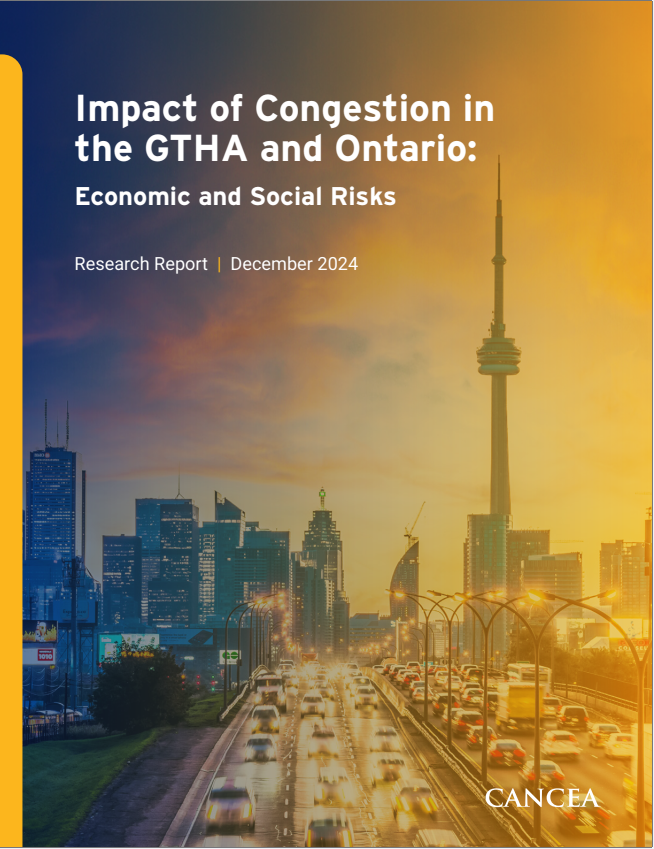
The Greater Toronto and Hamilton Area (GTHA) and the rest of Ontario face mounting challenges from worsening traffic congestion. With the region housing over half of Ontario's population, the GTHA experiences congestion that significantly increases travel times and diminishes economic productivity. Travel delays due to congestion profoundly affect residents’ quality of life, restrict access to jobs and essential…
Economic growth is fundamental to a nation’s long-term success and its citizens’ well-being. Not only does it come with key benefits such as job creation, reduced unemployment, and rising income levels but growth enables governments to fund essential public services like education, healthcare, and infrastructure. However, a robust, affordably-housed labour force and an environment which supports investment in…
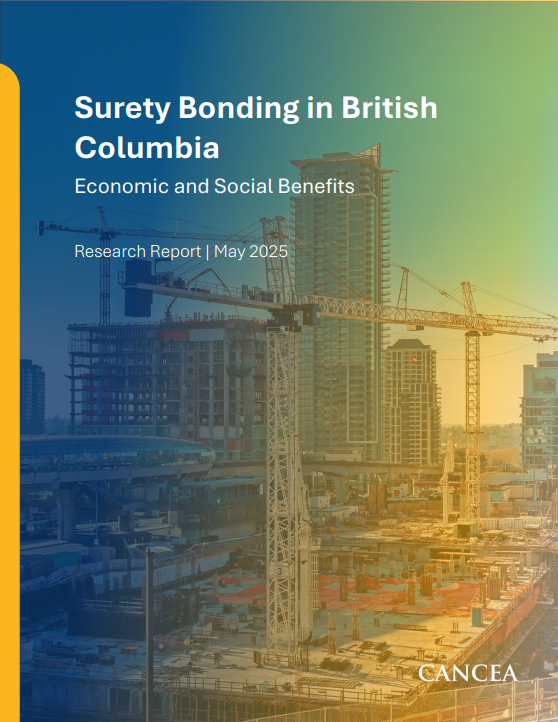
Our analysis shows how the use of surety bonding provides considerable protection and support to British Columbia's economy and the well-being of its residents. In total value terms, the lower end value of the use of performance and payment bonds for public infrastructure projects averages more than a six-fold payback on the premiums paid for protection , with 63% representing the avoided economic activity loss and…
Ontario’s electricity system is on the cusp of transformation. Faced with rising demand for electricity, coupled with commitments to transition to cleaner sources of supply, Ontario’s electricity system will grow significantly in the coming decades. To support this growth, the province is diversifying its electricity mix, which will require accompanying energy storage solutions to reduce energy generation…
In the GTA, the housing affordability crisis has emerged as a significant social challenge, transcending economic discussions to profoundly affect the well-being of its residents. Our comprehensive analysis reveals a 9% reduction in well-being among those affected by housing unaffordability. This social value cost of this decline is especially notable among renters and younger demographics, highlighting a societal…
OMERS, one of the largest defined benefit pension plans in Canada, serves over half a million active and retired members. These members include union and non-union employees from municipalities, school boards, transit systems, electrical utilities, emergency services, and children's aid societies across Ontario. The contributions made by members and employers are invested globally by OMERS to ensure a stable and…
The issue of housing affordability in Canada is intensifying, affecting households nationwide. One in ten households faced core housing needs in 2021, primarily due to poor affordability – defined as spending over 30% of pre-tax income on shelter. This trend poses significant risks to financial stability, educational and professional prospects, and mobility for many Canadians. The broader economic implications…
The global urgency to mitigate climate change impacts has intensified the exploration of substantial emission reduction strategies among researchers, policymakers, and various institutions. In support of these explorations are the recent studies "Pathways to Decarbonization" by the Independent Electricity System Operator (2022) and "Pathways to Net Zero Emissions for Ontario" by Guidehouse (2023). These studies…
Traffic collisions are a significant source of largely preventable injuries and deaths across the country. In 2019, over 1,700 people died as a result of traffic collisions across Canada, with another 140,000 people suffering from an injury. These deaths and injuries, along with the impact of collisions in which no one is injured, result in a considerable cost to society. In order to quantify the social costs of…
CANCEA conducted research for TRREB to assess transportation infrastructure sufficiency in the Greater Golden Horseshoe (GGH). Two questions were addressed:
An analysis was conducted to assess the potential impact of a mandatory paid sick leave policy in the Ontario construction industry. The study considered various behavioral responses by employers and workers to the policy.
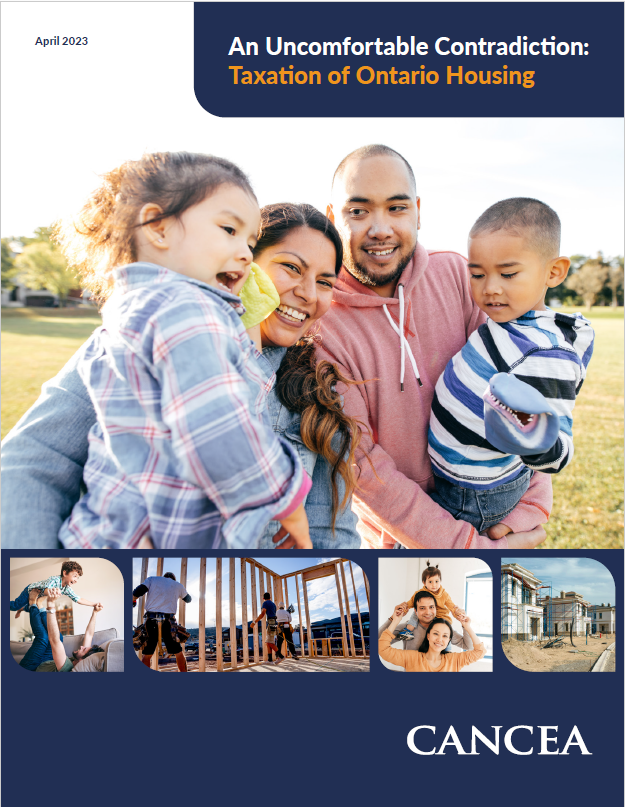
A new home in Ontario has a tax burden twice that of the rest of the economy

Our analysis shows how the use of surety bonding provides considerable protection and support to Alberta's economy and the well-being of its residents. In total value terms, the lower end value of the use of performance and payment bonds for public infrastructure projects averages more than a four-fold payback on the premiums paid for protection , with 80% representing the avoided economic activity loss and 20%…
The Greater Golden Horseshoe Region (GGH) is home to a large proportion of Ontario's population and jobs. In the last decade, the GGH has seen an increase in the population of 1.2 million people, a 13.5% rise, as well as an increase in the number of jobs by 470,000, equivalent to an 11% increase. These figures were expected to keep growing even before the federal government's recent announcement of increasing…
North Simcoe, comprising Midland, Penetanguishene, and the townships of Tiny and Tay, experienced a population growth of 8.4% (4,340 people) since 2016, surpassing the Ontario rate of 5.5%. Notably, the population over 60 accounted for almost 80% of this increase, while the population under 25 saw a slight net decline.
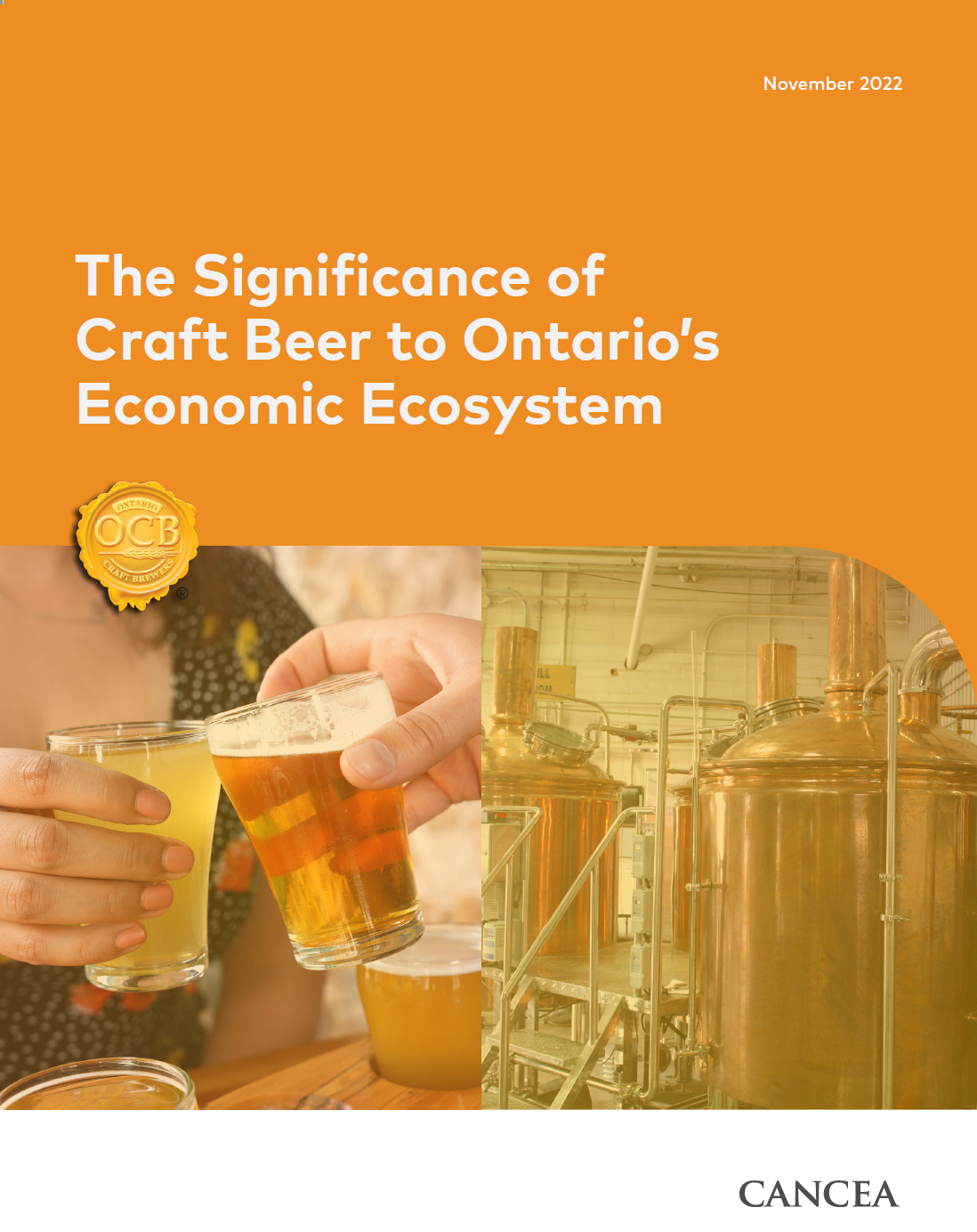
Working with the team at CANCEA was a real pleasure for the OCB. We felt they were as committed to the project as we were, and the depth of the knowledge, resources and data they have access to was very evident as the project unfolded. Their economic impact research and analysis was high quality and well presented.” Scott Simmons, President, Ontario Craft Brewers Association .

As witnessed by the debate of economists and policymakers about better measures of community prosperity, and the shift in the financial markets towards environmental, social and governance drivers of value (ESG), it is increasingly incumbent upon organizations to understand their value beyond economics and finance and explore their role in generating social value.
With more than 400,000 active, deferred vested, and retired members living in Alberta, LAPP, ATRF, PSPP and SFPP make up a significant proportion of the defined benefit pension plan membership in Alberta. Members of the Plans include union and non-union employees of municipalities, health services, schools, transit systems, electrical utilities, emergency services, the provincial government, children’s aid societies…

Research conducted on behalf of the Toronto Regional Real Estate Board (TRREB) to assess transportation infrastructure sufficiency in the Greater Golden Horseshoe (GGH). The research aimed to address two main questions:
In this executive summary, the Canadian Centre for Economic Analysis (CANCEA) explores the correlation between the size of dwellings and the number of people living in them in the Niagara Region. The objective is to understand if there is a stable relationship between dwelling size and servicing requirements.
This study analyzes the future housing stock in the Niagara Region up to 2051, considering different growth scenarios. The objective is to understand the implications of varying growth trends on population, housing stock, and local economic development. The findings build on the previous Niagara Region Housing Market Analysis and Growth Scenario Analysis, projecting the continuation of existing trends under the new…
CANCEA provided an updated version of population projections for the GTA and Toronto city neighbourhoods, incorporating the latest population statistics from the 2021 census. The projections were by age and sex, including upper and lower boundaries for the 95% confidence intervals of each expected value until the year 2047. They had included:
With over 5.26 million active and retired members, CPSPPs (Canadian public sector pension plans) are equivalent to the population of British Columbia. These members work in various professions such as nurses, bus drivers, janitors, paramedics, firefighters, police, teachers, and social workers.
Our analysis shows how the use of surety bonding provides considerable protection and support to Ontario's economy and the well-being of its residents. In total value terms, the lower end value of the use of performance and payment bonds for public infrastructure projects averages more than a four-fold payback on the premiums paid for protection , with 75% representing the avoided economic activity loss and 25%…

Our analysis shows how the use of surety bonding provides considerable protection and support to Manitoba and Saskatchewan's economy and the well-being of its residents. In total value terms, the lower end value of the use of performance and payment bonds for public infrastructure projects averages more than a two-fold payback on the premiums paid for protection , with over 95% representing the avoided economic…
With more than half a million active and retired members, OMERS is one of the largest defined benefit pension plans in Canada. Members of OMERS include union and non-union employees of municipalities, school boards, transit systems, electrical utilities, emergency services, and children's aid societies across Ontario. The plan contributions of members and employers are invested around the world by OMERS to provide…
Organizations around the world are seeking to better understand and measure their value and impact beyond strictly economic and financial metrics. With the shift in the financial markets towards environmental, social, and governance drivers of value, it is increasingly incumbent upon organizations to understand their value beyond strictly economics and finance and explore their role in generating social value.
Metrolinx was interested in a better understanding of the macro-economic factors driving cost escalations across its portfolio of construction projects.
The Canadian Construction Association requested CANCEA to investigate the relationships between transport infrastructure investment levels and the ability of the country to grow exports. The findings were to be presented at the 2022 CCA Annual Conference in Vancouver.
The objective of this study is to measure ORION’s social and economic impact resulting from its operations and capital expenditures, network contributions from its constituents, and its cybersecurity services. This research provides an update of ORION’s impact previously reported in 2015. Metrics that will be used to understand ORION’s contributions for the 2020 fiscal year include GDP, jobs, private investment, and…
Metrolinx requested CANCEA to investigate the significance and sensitivity of inter-region transit demand in the Greater Golden Horseshoe by 2041 with specific attention to (1) Municipalities reaching P2G population and job targets; (2) Accelerated industry structural changes in remote working habits (eg. made evident by COVID19).
Research released by the Canadian Centre for Economic Analysis highlights the unique value provided by Canada's public sector pension plans across the country. The economic activity from the operations of pension plans and retirees spending their income supports 877,100 jobs and 55,500 businesses across Canada, supporting $33.1 billion in annual wages and $21.4 billion in tax revenue.
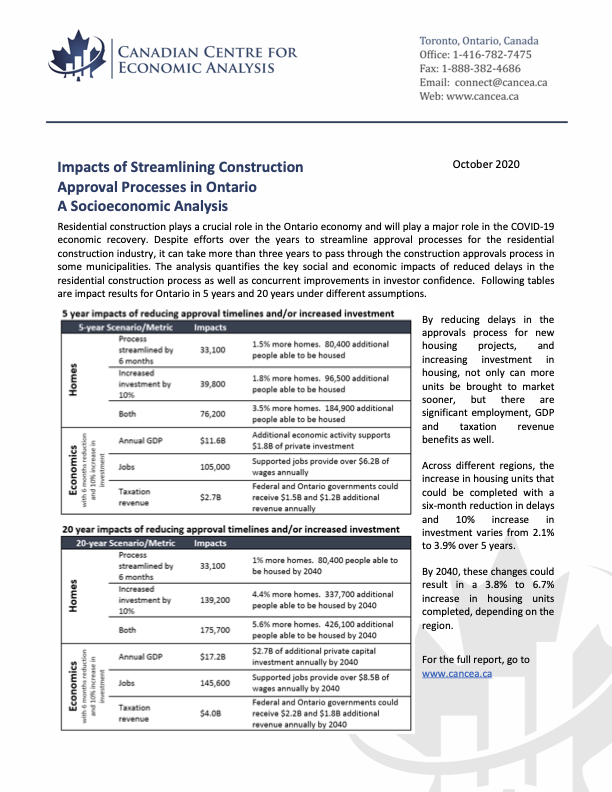
Residential construction is vital for Ontario's economy, especially during the COVID-19 recovery. However, the construction approval process in some municipalities can be excessively long, taking more than three years. Efforts have been made to streamline approvals, but delays persist. This analysis examines the impact of reducing these delays and increasing investment in housing.
Many individuals in remote communities, particularly in Nishnawbe Aski Nation (NAN) communities, lack birth certificates, creating barriers to accessing essential government services. Based on available data from 10 communities, an estimated 1,939 individuals in NAN communities are without birth certificates, and 1,250 individuals lack health cards. These figures likely underestimate the actual number of individuals…
The Greater Toronto and Hamilton Area (GTHA) is a critical economic hub, contributing over half of Ontario's population and generating 52% of the province's GDP. With a population growth of 14% between 2006 and 2016, the GTHA is projected to continue expanding, reaching over 10.1 million residents by 2041. However, this growth has led to transportation challenges, including longer commutes and congestion, impacting…
The housing needs analysis in the Town of Cochrane reveals that the current housing stock is not sufficiently diversified to meet changing household needs. As of 2016, the town's population was 5,330 people, representing a 6.7% decrease from 2001. The population is aging, with households becoming smaller and predominantly consisting of one or two people.
Our analysis shows how the use of surety bonding provides considerable protection and support to Quebec's economy and the well-being of its residents. In total value terms, the lower end value of the use of performance and payment bonds for public infrastructure projects averages more than a three-fold payback on the premiums paid for protection , with 67% representing the avoided economic activity loss and 33%…
Interest in basic income has increased in recent years and the COVID-19 pandemic has pushed the idea of a guaranteed minimum income for Canadians into the national spotlight. Canada already has a modest basic income program in place for people with children—the Canada Child Benefit—whose economic contributions CANCEA has previously examined . This report examines the benefits to families receiving payments under two…

Ivanhoé Cambridge is a global developer and investor in real estate that has a sustainable impact on local communities. As part of a commitment to sustainability and social impact, Ivanhoé Cambridge asked CANCEA to measure the social impact on individuals and communities of including affordable housing units within the residential properties in its portfolio.

CANCEA provides economic forecasts for the Canadian Franchise Industry for each year since 2018 covering the growth in the number of franchise establishments as well as franchise-related economic indicators, such as gross domestic product (GDP), employment (number of jobs and full-time equivalents), and tax revenue generated by franchises.
The purpose of this study was to assess the impact of construction surety bonds on the overall economy across the Atlantic Provinces. CANCEA reviewed more than 150,000 bonded projects completed over the last 20 years by more than 10,000 construction firms in order to examine the economic ripple effect of more than 3,000 contractor defaults and analyze the impact that surety protection. The findings confirm the value…

The purpose of this study was to assess the impact of construction surety bonds on the overall economy across Alberta. CANCEA reviewed more than 150,000 bonded projects completed over the last 20 years by more than 10,000 construction firms in order to examine the economic ripple effect of more than 3,000 contractor defaults and analyze the impact that surety protection. The findings confirm the value proposition of…

Residential mortgage-backed securities (RMBS) are secured by mortgages that qualify under the National Housing Act (NHA) and the Canadian Mortgage Bond (CMB) programs. Over a third of the outstanding mortgage debt is securitized, almost all of which through public securitization programs reaching over $496 billion in 2019. Public securitization does not have credit risk beyond that of the government, as they are all…
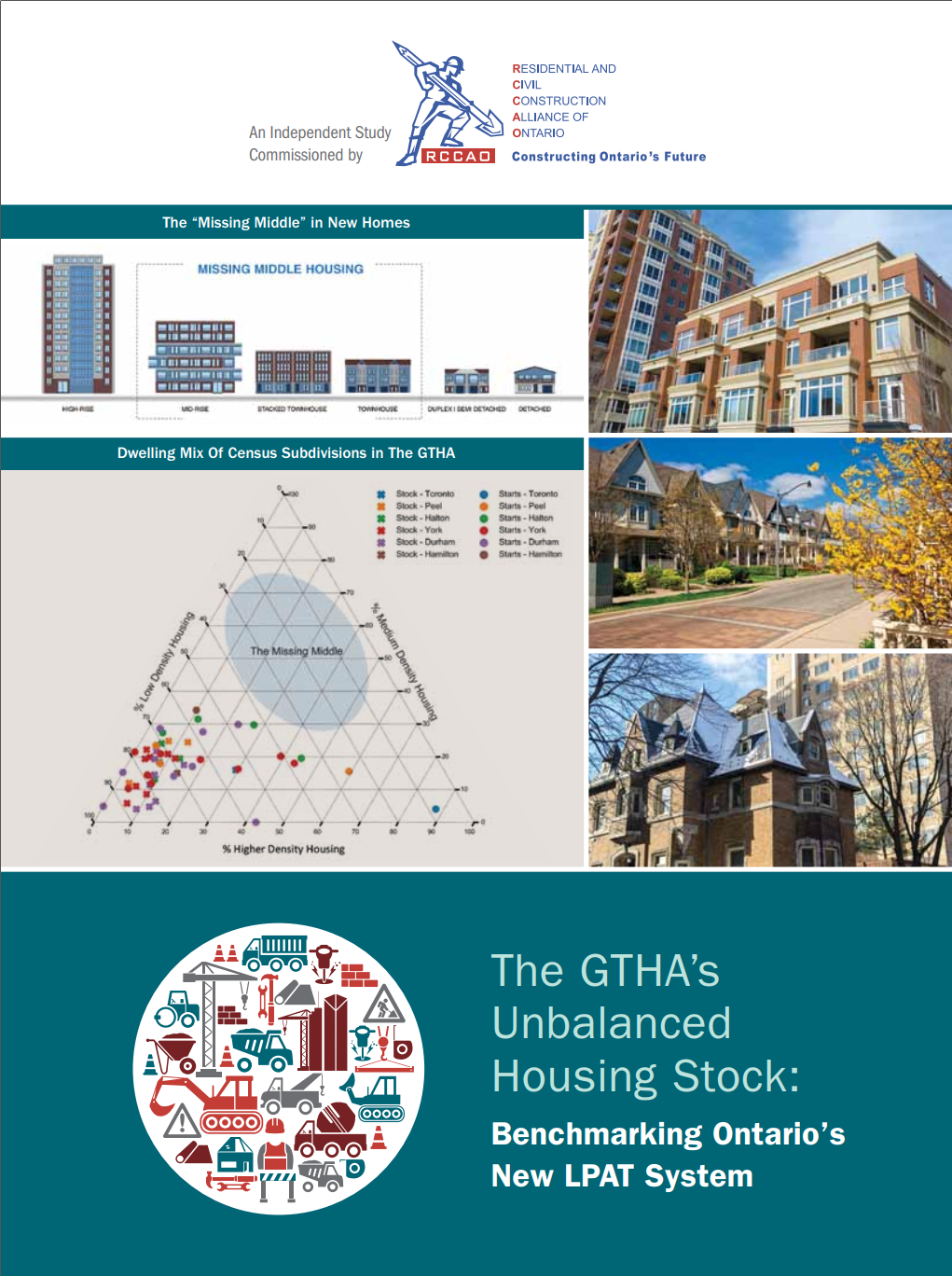
Currently, the mix of housing supply in the Greater Toronto and Hamilton Area (GTHA) is insufficient to meet the future requirements envisioned in the Places to Grow (P2G) Act. More control has been given to municipal governments through the new Local Planning Appeal Tribunal (LPAT) to plan Ontario’s communities. Although it is too early to tell exactly what impact the new LPAT system will have on housing supply in…

How infrastructure investments will facilitate future growth in Ontario
Our analysis shows how the use of surety bonding provides considerable protection and support to Altantic Canada's economy and the well-being of its residents. In total value terms, the lower end value of the use of performance and payment bonds for public infrastructure projects averages more than a two-fold payback on the premiums paid for protection , with 77% representing the avoided economic activity loss and…

The purpose of this study was to assess the impact of construction surety bonds on the overall economy across Quebec. CANCEA reviewed more than 150,000 bonded projects completed over the last 20 years by more than 10,000 construction firms in order to examine the economic ripple effect of more than 3,000 contractor defaults and analyze the impact that surety protection. The findings confirm the value proposition of…
As a follow-on study to the data analysis project relating to Niagara Region's Affordable Housing Strategy, this study provided forecasts of Niagara Region’s future housing stock and population characteristics up to the year 2041 under different growth scenarios. The baseline growth rate was set as the average completion rate over the last five years in Niagara Region, and a slow growth and target growth scenario…
With almost half a million active and retired members, OMERS is one of the largest defined benefit pension plans in Canada. The pension plan contributions of members and employers are invested around the world by OMERS to provide each member with a stable and secure source of retirement income. OMERS investments are found across the globe and in most communities in Ontario. All across the province, Ontarians benefit…
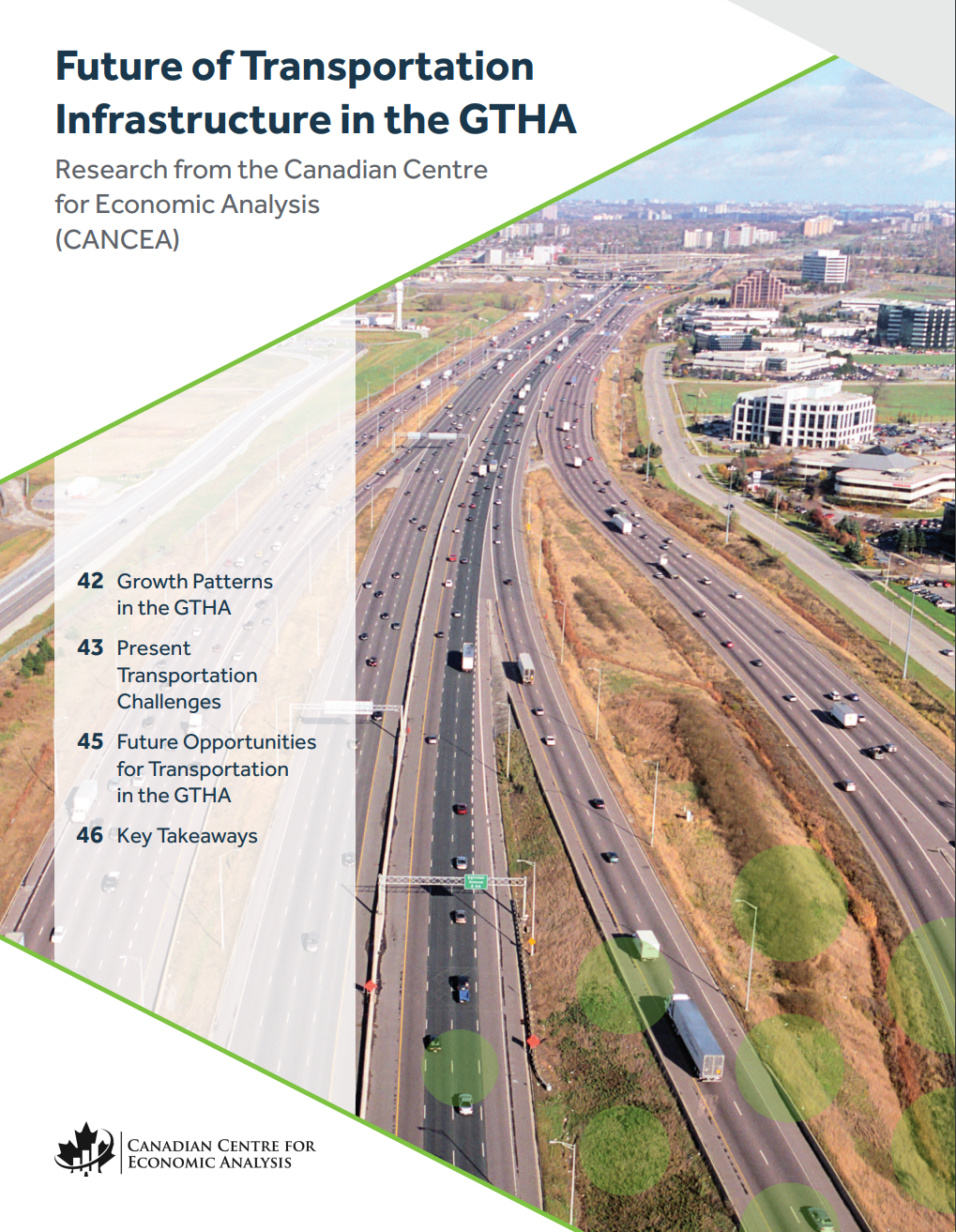
This report was commissioned by the Toronto Regional Real Estate Board and presents an overview of transportation and commuting trends in the GTHA over the past decade and identifies how these could impact regional prosperity in the coming decades. The impact of factors such as population and employment growth and the emergence of new transportation technologies on these trends are discussed. The study highlights…
As the leading region for job creation in Ontario over the past decade and home to over half of the provincial population, the GTHA’s prosperity is closely linked to that of Canada. At the heart of the region is the Toronto metropolitan area, which alone generates 52% of Ontario’s GDP. Between 2006 and 2016, the population in the region has grown by 14% and the number of jobs has grown by almost 10%. By 2041, the…
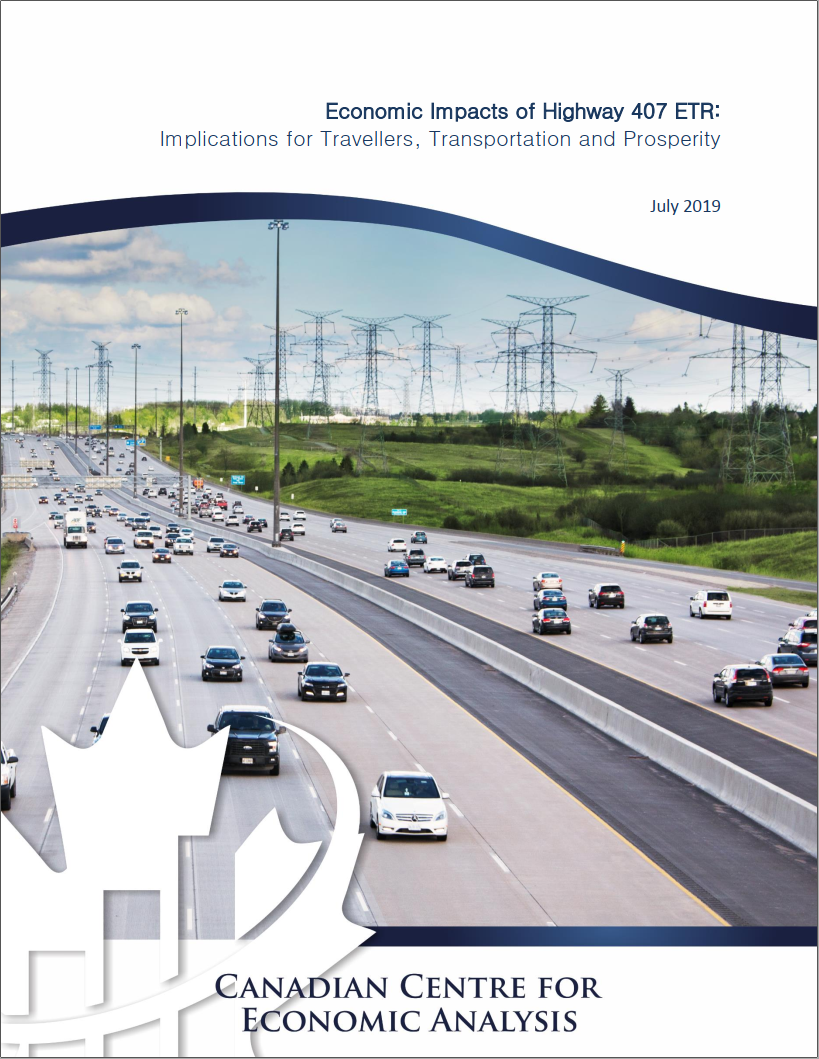
Highway 407 ETR is a route that provides drivers in the Greater Toronto and Hamilton Area (GTHA) with a congestion-free alternative for East-West travel for a toll. Operated by 407 ETR since 1999, it provides transportation across the leading region for job creation in Ontario, contributing to better connectivity and improved flow of people and goods.

The purpose of this study was to assess the impact of construction surety bonds on the overall economy across Canada. CANCEA reviewed more than 150,000 bonded projects completed over the last 20 years by more than 10,000 construction firms in order to examine the economic ripple effect of more than 3,000 contractor defaults and analyze the impact that surety protection. The findings confirm the value proposition of…
This housing needs study was conducted to provide the Town of Fort Erie with a data-driven basis upon which specific local housing priorities can be developed. Working closely with the Town of Fort Erie, CANCEA provided a database, conducted local stakeholder consultations and delivered a final housing needs report which delivers insight into Fort Erie’s demographic trends and local housing market conditions.
The key objective of this project was to shed light on any systematic or general factors or differences that might dissuade developers from building purpose-built rental (PBR) or incentivize condominium development (condo). This project examines the issues from the view of market participants and the calculus they perform. Areas of interest included inquiry into considerations of:

The purpose of this study was to assess the impact of construction surety bonds on the overall economy across Ontario. CANCEA reviewed more than 150,000 bonded projects completed over the last 20 years by more than 10,000 construction firms in order to examine the economic ripple effect of more than 3,000 contractor defaults and analyze the impact that surety protection. The findings confirm the value proposition of…

The purpose of this study was to assess the impact of construction surety bonds on the overall economy across Alberta. CANCEA reviewed more than 150,000 bonded projects completed over the last 20 years by more than 10,000 construction firms in order to examine the economic ripple effect of more than 3,000 contractor defaults and analyze the impact that surety protection. The findings confirm the value proposition of…

The purpose of this study was to assess the impact of construction surety bonds on the overall economy across British Columbia. CANCEA reviewed more than 150,000 bonded projects completed over the last 20 years by more than 10,000 construction firms in order to examine the economic ripple effect of more than 3,000 contractor defaults and analyze the impact that surety protection. The findings confirm the value…
The aim of this study was to develop the Niagara Housing Statement Database in support of the Regional Housing Study and Housing and Homelessness Action Plan. It compiles the available information about the current stock of rental, ownership and affordable housing in Niagara Region by type and location. This information is combined with data about the households themselves, including the type of household, income…
Distilled spirits manufacturing in Ontario provides significant economic, employment and fiscal benefits to the province. Sales in Ontario support an estimated 30% of the production of distilled spirits locally. Consequently, major changes in the local demand for distilled spirits will impact the margins that local producers earn and thus their fiscal capacity to reinvest in their business.
Since 2016, about $71 billion has been disbursed to the families of over 6.4 million children in Canada through the Canada Child Benefit (CCB), which acts as a basic income guarantee for families with children. The objective of this research is to measure the economic contribution of the CCB to the Canadian economy since 2016. Impacts that are considered include the effect on families and their incomes, as well as…
Ontario’s distillery industry is composed of vertically integrated “grain-to-bottle” manufacturers who source locally grown cereal grains which are then mashed, fermented, distilled and matured on site. The resulting products, distilled spirits, count among the highest value-added goods within the agricultural and processed agri-food sectors. Distilled spirits manufacturers generate economic activity and employment,…
After Ontario’s latest budget announcement, it is an important time to assess whether the proposed level of infrastructure investment sets Ontario on track for long-term economic growth. Historically, investments into Ontario’s public infrastructure have been significantly lower than the growth-maximizing target levels suggested by CANCEA’s 2010 econometric analysis.
CMHC requested analysis on different scenarios that can affect demand and supply of housing.

This report tracks 24 key housing indicators that provide insight into Toronto’s housing market and the considerable housing challenges that residents face under current and projected conditions. Toronto is projected to experience accelerated population growth over the next 20 years, and vulnerable groups as well as low- and moderate-income households will experience increased difficulty accessing suitable and…
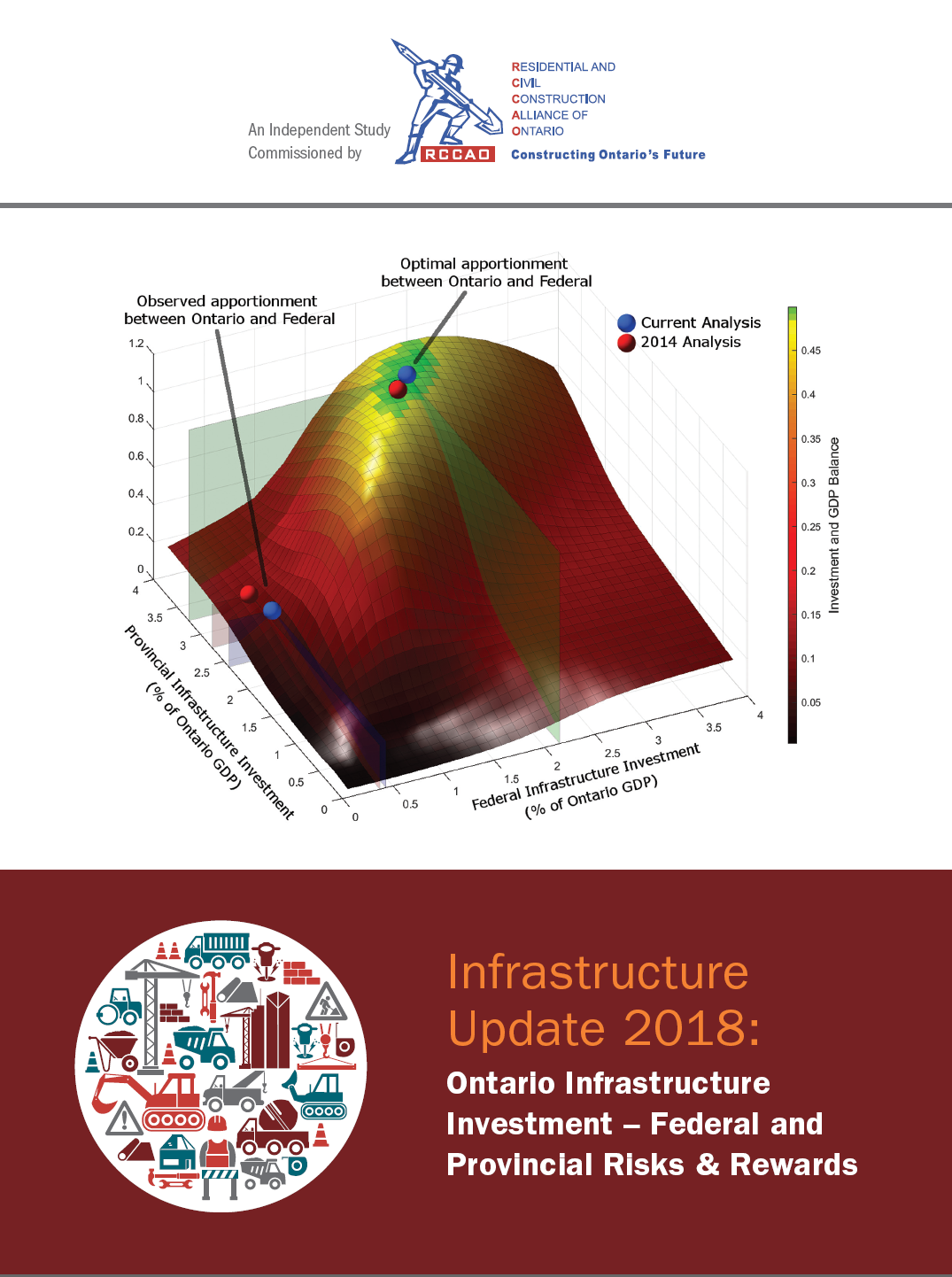
In 2011, the Residence and Civil Construction Alliance of Ontario (RCCAO) released “Public Infrastructure Investment in Ontario: The Importance of Staying the Course" . From a macroeconomic perspective, the report concluded that over the course of 50 years, maximum GDP growth could be achieved if an average of 5.1% of GDP were invested in required infrastructure and 22% of the total infrastructure investment were to…
Canada's fiscal federalism, which has devolved authority and revenue responsibilities to provinces and territories, has been a topic of debate due to perceived unfairness. Traditional analytical methods have their limitations, lacking clear goals, focusing solely on provincial-level analysis, and being static. To address these issues, CANCEA utilized their Prosperity at Risk (PaR) model and the Needs Consumption…
An appropriate supply of housing for all members of the community is essential for the continued growth and well-being of any municipality or city. Ensuring that suitable and affordable housing is available for everyone in growing regions is a key challenge across Canada. Since the majority of the existing housing stock and the ongoing development of new stock is privately owned and managed, it is subject to market…
A situational analysis examines the characteristics of a region relative to its surrounding region and other comparable regions in a variety of metrics across demographics and industry and is often used as the basis for long term economic development plans and investor site selection purposes. Situational analysis’ can contain:

Women who are homeless or live on limited income face many difficulties such as finding shelter, a safe place to sleep for the night, and food. However, once a month, they face an additional stressor that is even more difficult to manage living on the margins: dealing with their menstrual cycle. For women in such circumstances the limited resources means making trade-offs and sacrifices when it comes to staying…
This analysis is based on detailed operational and capital expenses provided by Ontario Power Generation (OPG). These included number of employees and employee salaries, primary contractors (with locations of businesses), goods and services required for the operation of the Pickering Nuclear Generating Station, and ongoing capital expenditures. Nuclear Industry

The purpose of this study was to provide an economic forecast for the Canadian Franchise Industry for 2018 covering the growth in the number of franchise establishments as well as franchise-related economic indicators, such as gross domestic product (GDP), employment (number of jobs and full-time equivalents), and tax revenue generated by franchises. The study also explores the employment policy changes that have…
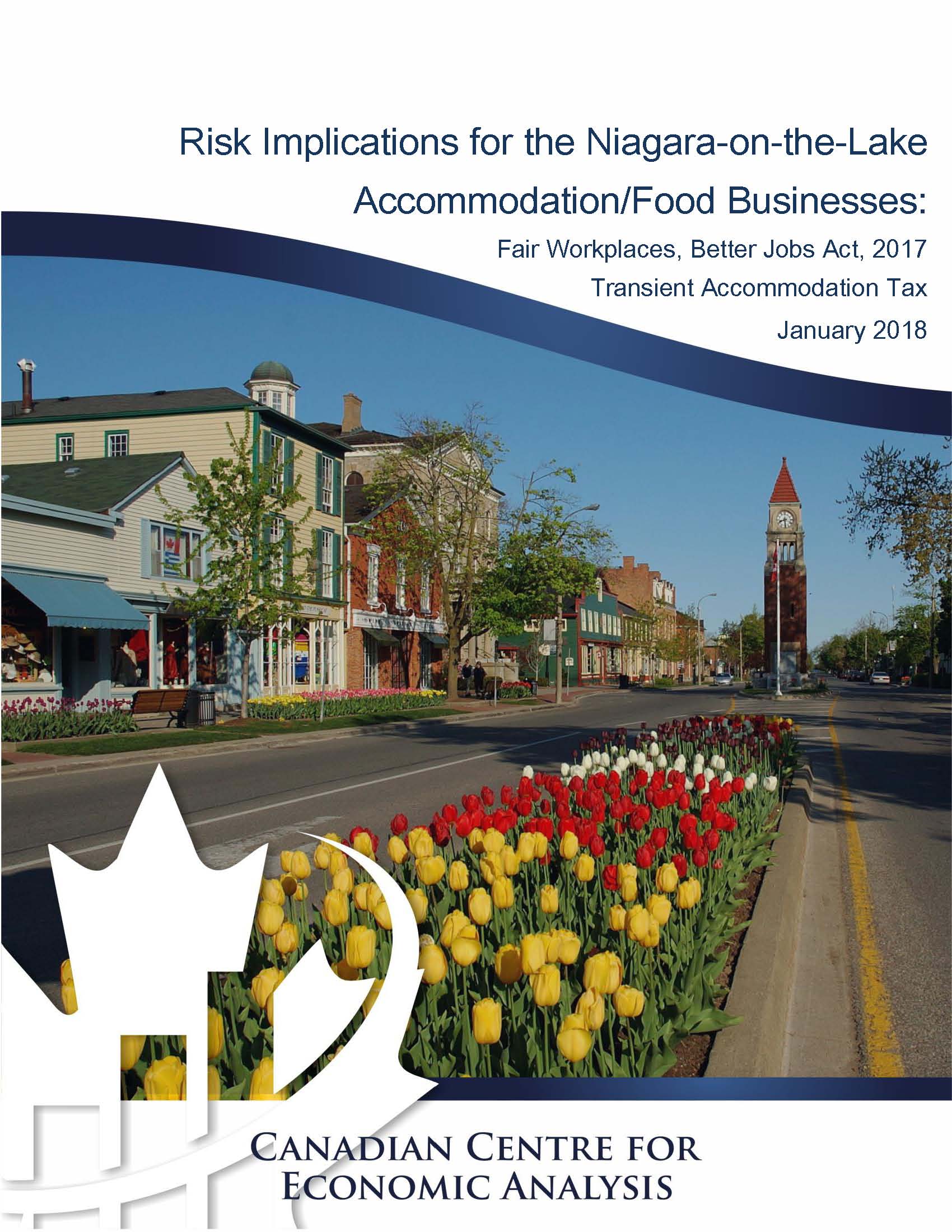
The recently passed Bill 148: Fair Workplaces, Better Jobs Act, 2017 (the Act) represents a package of sudden and significant changes for Ontario businesses to digest over the next few years. Sectors such as accommodation and food are expected to be more affected by the labour changes given their lower gross operating margins and high proportion of minimum wage paying labour costs.

The deteriorating affordability of shelter in select Canadian markets has become the focus of much analysis and regular national headlines (seemingly on a daily basis), which acknowledge its impact on millions of households across a wide spectrum of income and wealth. And no wonder: there are few issues more central to our day-to-day well-being than finding affordable shelter that is safe, comfortable, and close to…
The objective of this study was to find an evidence-based and realistic understanding of the socio-economic value of the 329 hectares (813 acres) of industrial land occupied by Stelco (the “Lands”) on the southern shore of Hamilton Harbour.
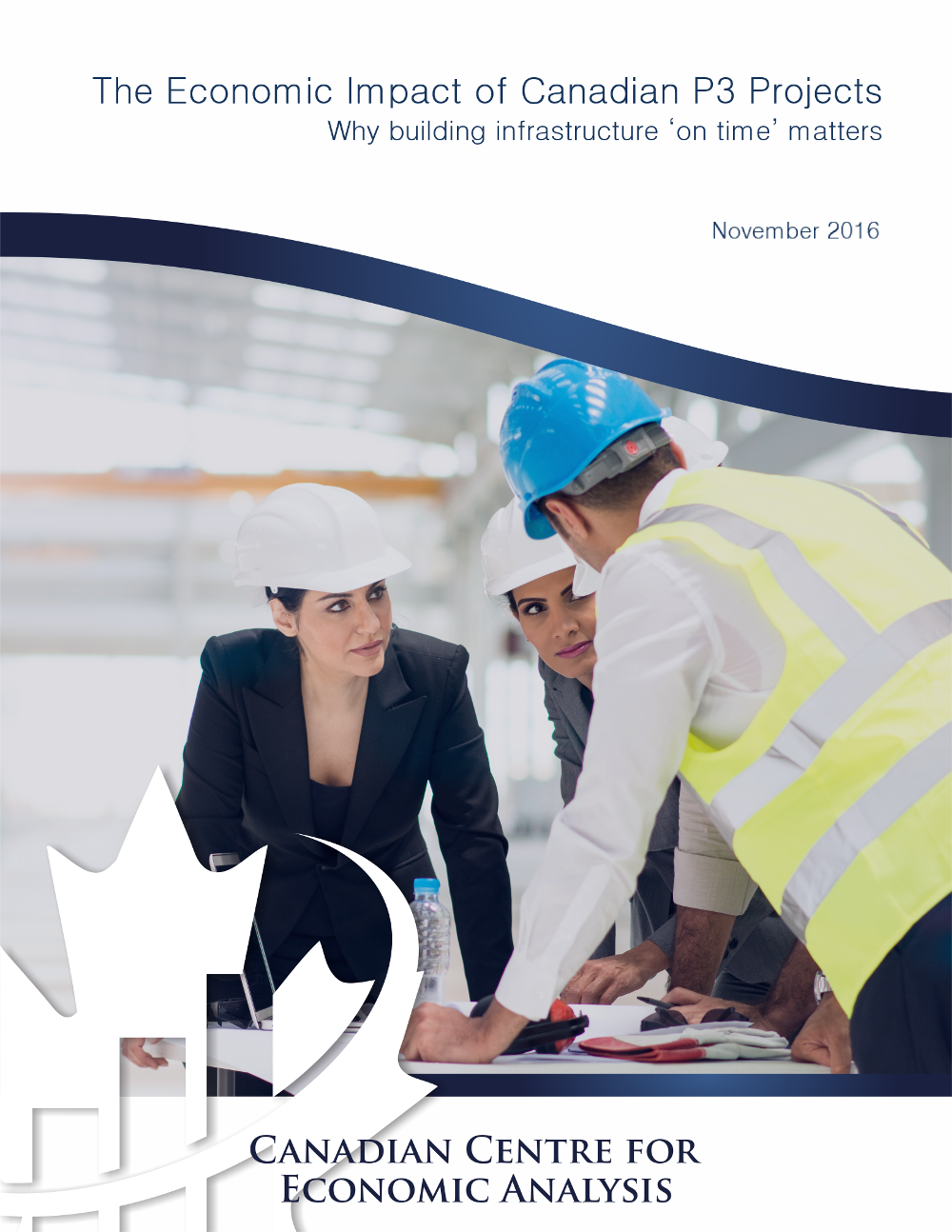
This report brings a fresh approach to analyzing the economic impacts of Canadian public-private partnerships (P3s) and adds to the conversation around P3s by quantifying – beyond the benefits traditionally outlined – the significant economic value from delivering such assets for public use sooner.
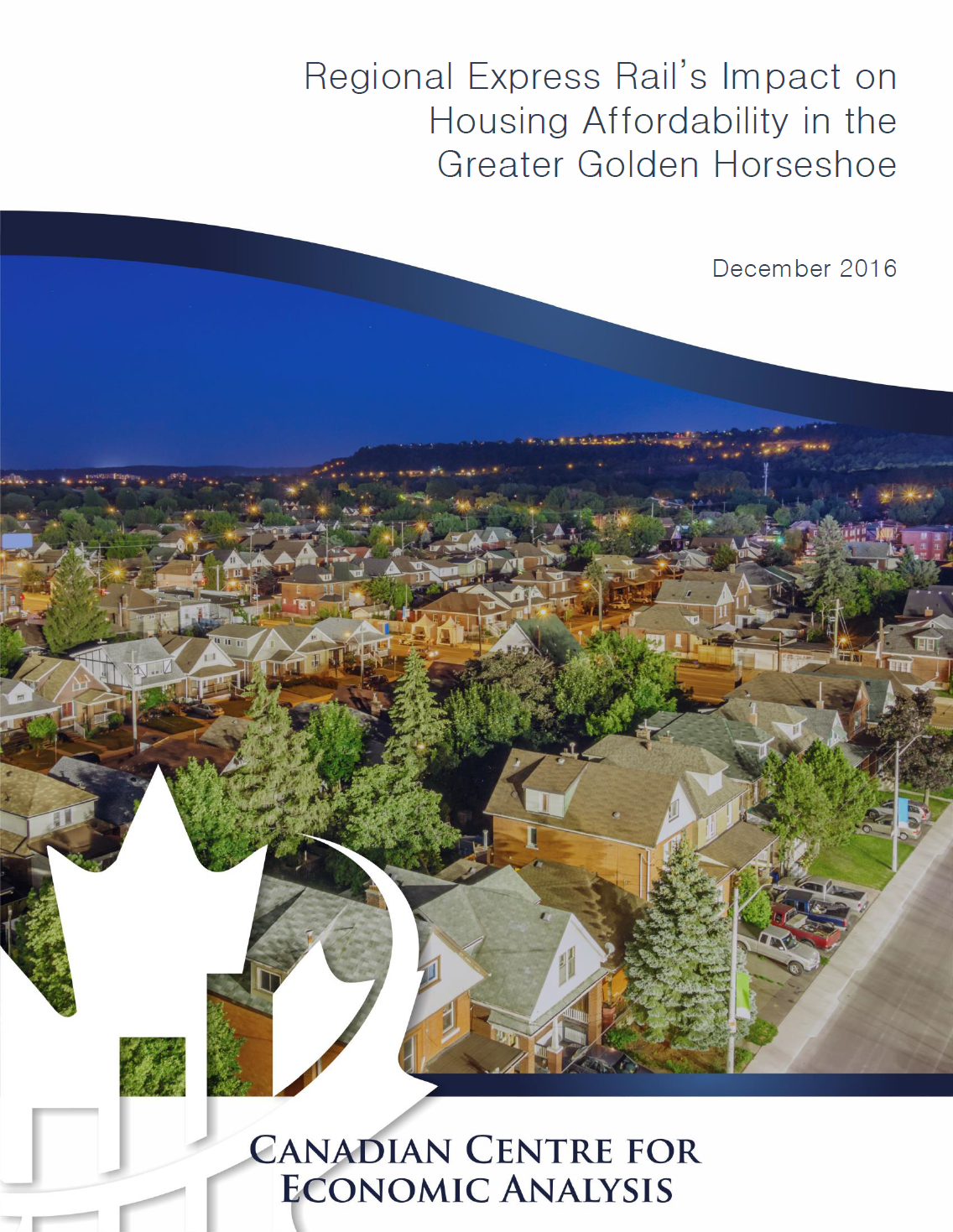
Using CANCEA’s award-winning computer platform – Prosperity at Risk (PaR) – and aggregated data from the Toronto Real Estate Board across 773 communities, this report investigates the impacts of transit (and the Regional Express Rail (RER) specifically) on housing affordability in the Greater Golden Horseshoe. Given “affordability” includes more than just housing prices – and must include transportation costs to…
The Greater Toronto and Hamilton Area (GTHA), represents 20% of Canada’s economy and has a gross domestic product (GDP) per capita that is 19% greater than the rest of Ontario. As a major role player in bringing together regional leaders to address the most pressing urban challenges in the GTHA, CivicAction is launching its first health-related initiative by focusing on mental health in the GTHA workplace. By…
The Fair Workplaces, Better Jobs Act, 2017 (Bill 148) is expected to increase the risks and uncertainties for many Ontario business sectors.
Amidst the attention surrounding the Financial Accountability Officer’s report on Hydro One (October 2015), too few commentators have focused on the significant and important gap in the FAO’s selective analysis that results from omitting the taxation revenue impacts of investing part of the Hydro One share sale proceeds in much-needed Ontario infrastructure.
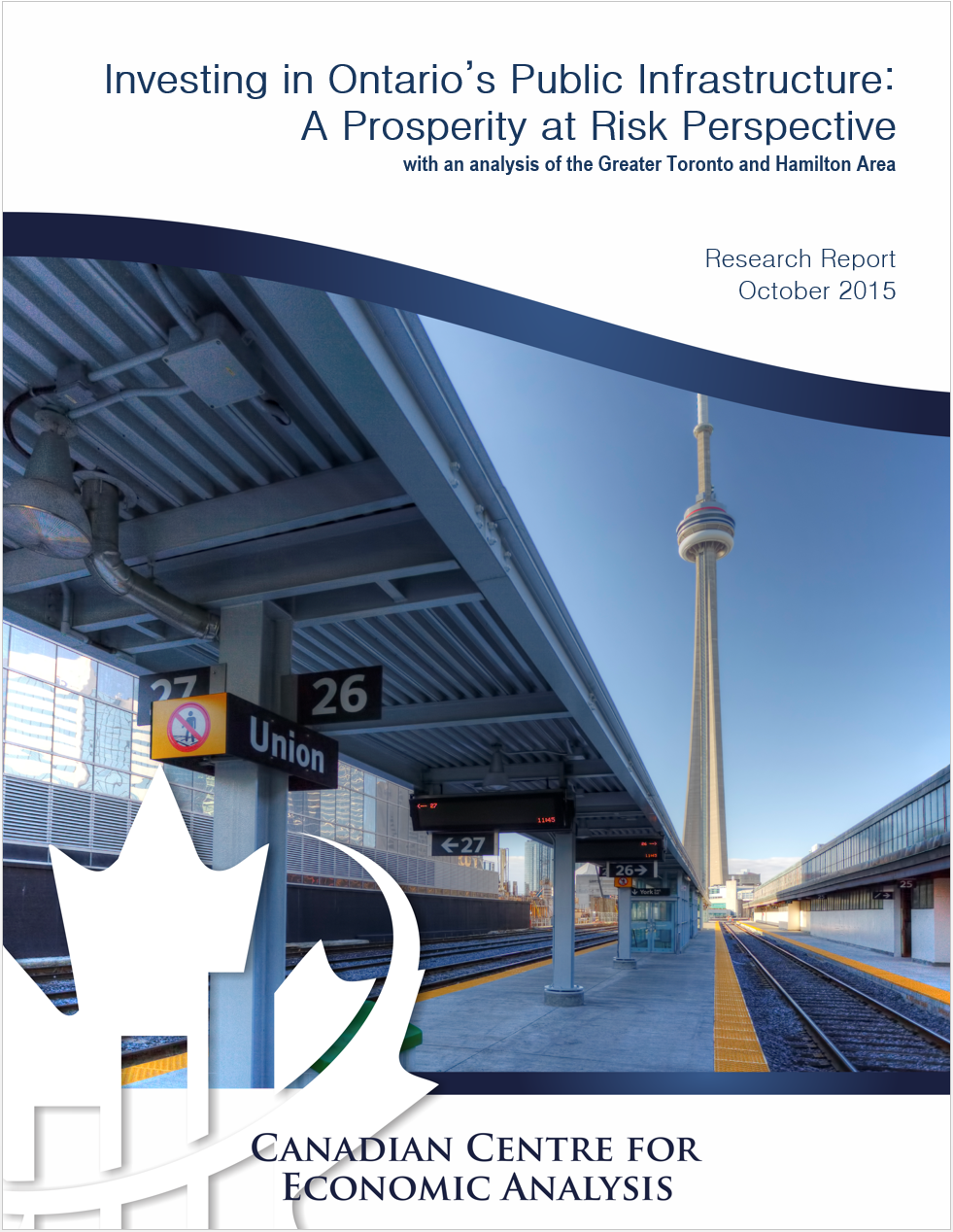
Strategic investment in public infrastructure such as bridges, roads, transit systems, and hospitals is the foundation for a well-functioning society and crucial to Ontario’s future prosperity. CANCEA’s recent research report demonstrates that these investments have a tremendous long-term economic return.

Objective: The Canadian Tobacco Control Research Initiative recently examined how forward looking risk management methods could be used to understand the complexity of available information in order to support research and resource planning among the various different stakeholders involved in a national tobacco control system. With historically falling smoking trends, rationing of resources, and the emergence of…

Objective: Prevalence estimates for mood and anxiety disorders in Canada are available, but various methodological approaches have produced inconsistent results. Simulation studies involve careful examination of available data by an expert modelling team working together with subject matter experts. Simulation can integrate datasets and literature-based estimates from various sources into a coherent mathematical…

Background: An analysis of the impacts of lung cancer on life and economics employing objective risk measurement and management methods can support national planning for cancer control resources. Life at Cancer Risk (L@CR) was developed as a cancer strategy framework to measure the risk associated with future burden due to cancer, including lung cancer. The absence of information systems that incorporate a national…

Objective: Recent evidence indicates a strong correlation between mental illness and the prevalence of tobacco dependence/consumption. Population-based simulation is conducted to understand the significant of this issue.

The objective of the study was to estimate the potential health and economic benefits that may arise due to pharmaceutical interventions in a wide variety of illnesses.

Background: Antiviral drugs are an effective means to improve the recovery rate and reduce mortalities of people with influenza if the virus is sensitive to the drug. Under widespread use for prophylaxis and treatment with the risk of resistant variants arising, the consequences and cost-effectiveness of antivirals are less certain. The objective of this study was to identify the antiviral strategies that remain…

Background: Cancer currently represents the major burden of disease facing our community. It is the major cause of death, the major cause of premature deaths and the major cause of deaths in the productive age groups 45 to 65 years. The incidence rates have increased by 10 per cent in men and seven per cent in women over the last few years. The exceptions are increasing incidence rates of prostate cancer and…
Background: The 2009 pH1N1 pandemic took the lives of 428 individuals and led to 8,678 hospitalizations in Canada. Despite these sobering numbers, it appears that as a result of existing pandemic preparation measures, Canadian health services were able to mitigate the effects of the virus and avoid a more serious public health crisis. However, it must be emphasized that pH1N1 proved to be generally mild and that,…
Background: The first pandemic of the millennium was declared in June 2009. At that time, the pH1N1 virus was already in circulation in Canada and early reports from around the world indicated a potentially severe pandemic. The initial projections did not materialize but it was not clear whether this was due to the nature of the virus, or the success of public health initiatives. The objective of this analysis was…
In addition to a literature review, CANCEA has been tasked with creating a framework for the studying, measurement, and verification of potential economic and social impacts of investment in affordable housing in Canada. This framework, which provides information on the units, methodology, data, and description of the impacts is provided below. The purpose of this framework is the verification of expected outcomes…
Ontario’s Places to Grow program is designed to help regions plan for growth over the next 25 years. At the high level, it includes forecasts of population and job growth, as well as population and job density targets for various land uses such as around major transit stations and urban growth centres. After the original growth plan was released in 2006, two amendments were released in 2012, followed by the most…
Background: The purpose of the current study was to analyze the adequacy of the current Canadian antiviral stockpile during a moderate, drug sensitive influenza pandemic in Canada under three potential interpretations of the Canadian Pandemic Influenza Plan (CPIP).

Objective: Modern risk management methods can be used to reduce information complexity and support resource planning that engages the many perspectives involved in a national cancer control system. A framework is sought that allows for the dynamic measurement of the various risks associated with future life impacts due to cancer and that provides valuable communication tools for cancer control management that…

Background: An increasing number of Canadians are living with episodic disabilities, including mental illness, cancer, lupus, multiple sclerosis, diabetes, and HIV/AIDS. Episodic disabilities are characterized by periods of illness and wellness, making it a challenge for individuals living with them to earn an adequate and secure income. Most have to rely on government and private programs. These programs, however,…
The benefits of affordable housing extend beyond the number of units built or households housed; they can include impacts on residents’ health, employment, and access to community amenities. The benefits can contribute to GDP, and have broad social implications for Canada.
The Greater Toronto and Hamilton Area (GTHA) plays a significant role in Canada's economy, accounting for 20% of the GDP and enjoying a 19% higher per capita GDP than the rest of Ontario. To address mental health issues in the GTHA workplace, CivicAction, a key regional player, has launched its first health-focused initiative. Partnering with CANCEA and using Prosperity at Risk (PaR), they delve into mental health…
Provincial and federal tax revenues increase by 62% and 68% respectively
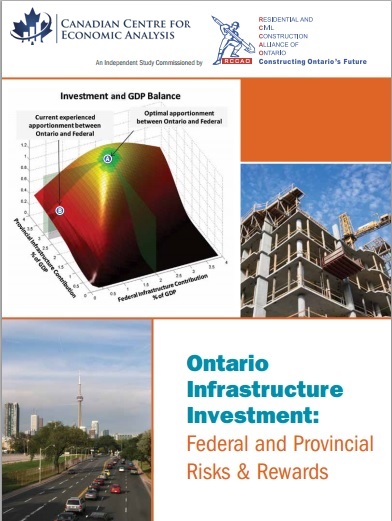
Analysis demonstrates that if sharing of the Ontario public infrastructure funding risks were to follow from the fiscal benefits that accrue to different levels of government, then all Ontario-based governments would be expected to cover approximately 61 per cent of the investments, with the federal government covering the balance of 39 per cent. Yet currently, all the Ontario-based governments collectively cover 88…
With the recent Federal election, the landscape for infrastructure investment has been transformed. The majority Liberal governments in both Queen’s Park and Ottawa have an excellent opportunity to proceed with their plans to invest more than $255 billion collectively in public infrastructure over the next 10 years. Less well understood but at least as crucial is the opportunity to address evidence-driven research…
Housing affordability has become an increasingly serious problem for a growing number of Canadian households. Despite the growing public profile and media interest in this issue, there has been limited appreciation of the broad range of forces creating this problem and the complexity of their interaction. The objective of this CANCEA research was to identify and connect the concepts and factors that contribute to…
Robust population and job projections go hand-in-hand with a holistic understanding of the health of economy, structural changes, infrastructure policy, and economic development, especially given their interconnections. Indeed, the need to connect population and job projections to the changing times is more imperative now than ever before. This is particularly the case in view of the recent decade of precarious…
The following study won the Canadian Institute of Planners 2015 Award for Planning Excellence in Sustainability, Mobility, Transportation, and Infrastructure .
Toronto Community Housing Corporation (TCHC), situated in the heart of one of the largest cities in North America, manages a stock of approximately 59,700 dwellings that provide homes to roughly 109,000 individuals. TCHC houses diverse families and individuals with a range of affordability levels, from those that pay market-level rents to others that qualify to pay rent that is geared according to family income. As…
Mental illness is a behavioural or psychological syndrome that significantly interferes with an individual’s thought processing abilities, social abilities, emotions and behaviour (Mental Disorders, WHO). Depending on the type of mental illness, the severity of the illness may vary from mild to severe and contribute to disability and health care service use. This study estimated that 1 in 5 Canadians are affected…

Background: Quantifying diagnostic transitions across development is needed to estimate the long-term burden of mental illness. This study estimated patterns of diagnostic transitions from childhood to adolescence and from adolescence to early adulthood.
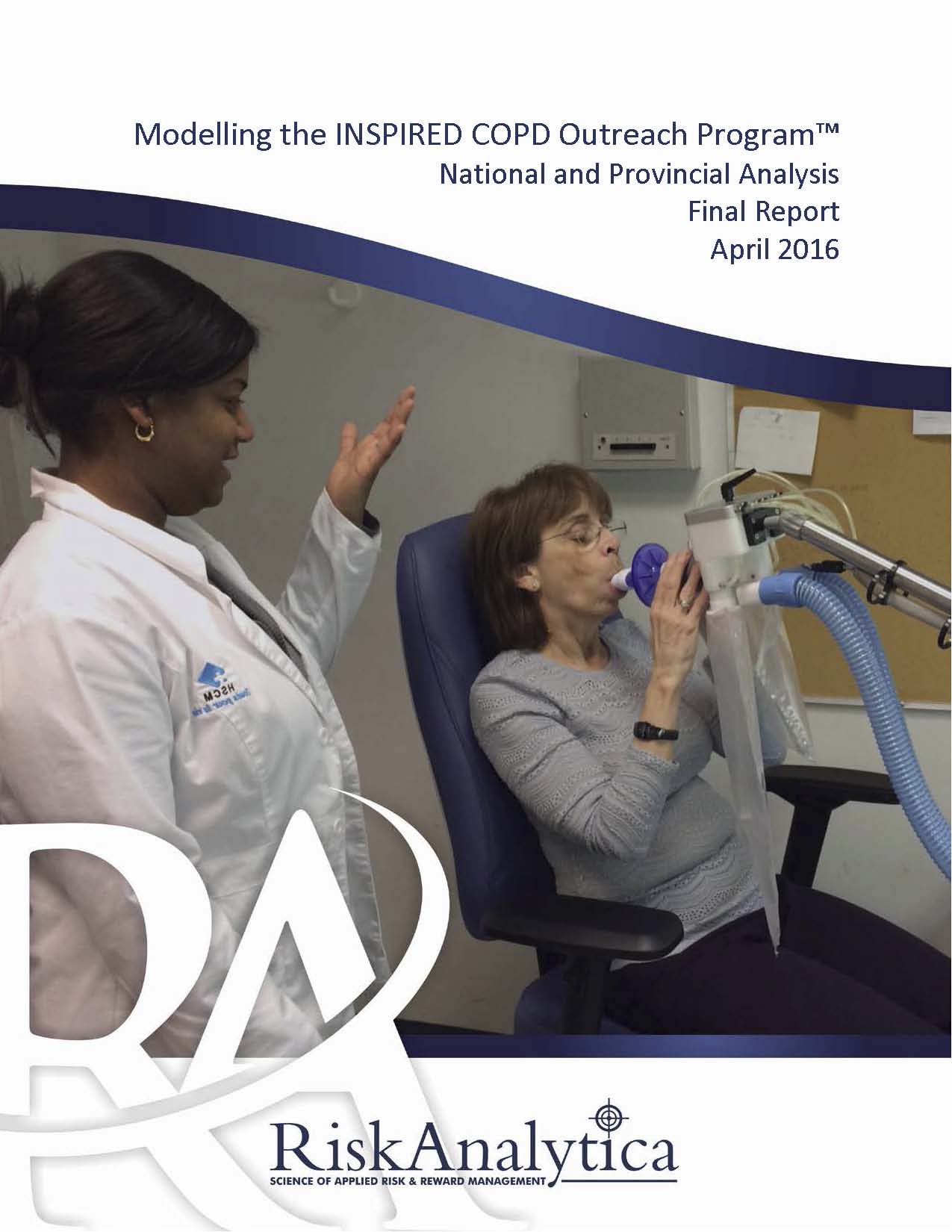
The INSPIRED Approaches to COPD: Improving Care and Creating Value Collaborative (INSPIRED) is a CFHI partnership with Boehringer Ingelheim Canada ltd. focused on educating patients and family members as part of a COPD action plan and self-management support program. As well, the collaboration provides reliable access to out-of-hospital (or post-discharge) clinical assessment and advice. The purpose of this analysis…
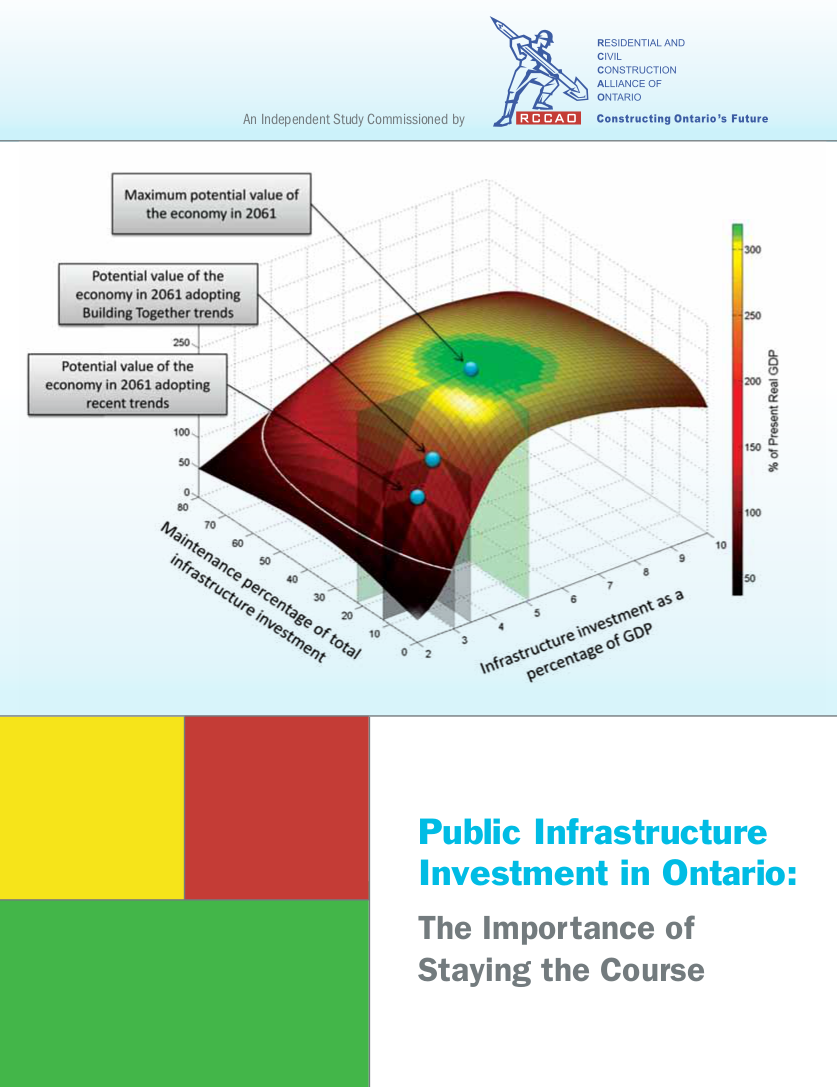
The Ontario government recently announced a 10-year infrastructure plan entitled Building Together. It promises to build upon the long-term approach to infrastructure investment from the previous ReNew Ontario plan. As a result, the awareness of infrastructure investment in Ontario has increased. However, while the public has an intuitive understanding of the importance of infrastructure to the economic prosperity…
The goals of the current report are: (1) to estimate the life and economic burden in Canada attributed to the incidence of three nosocomial infections; and (2) to demonstrate the value proposition significance if this burden can be reduced by systematic interventions to improve strategies for nosocomial infections control and prevention. The stated goals of the report are achieved by applying a systematic discrete…
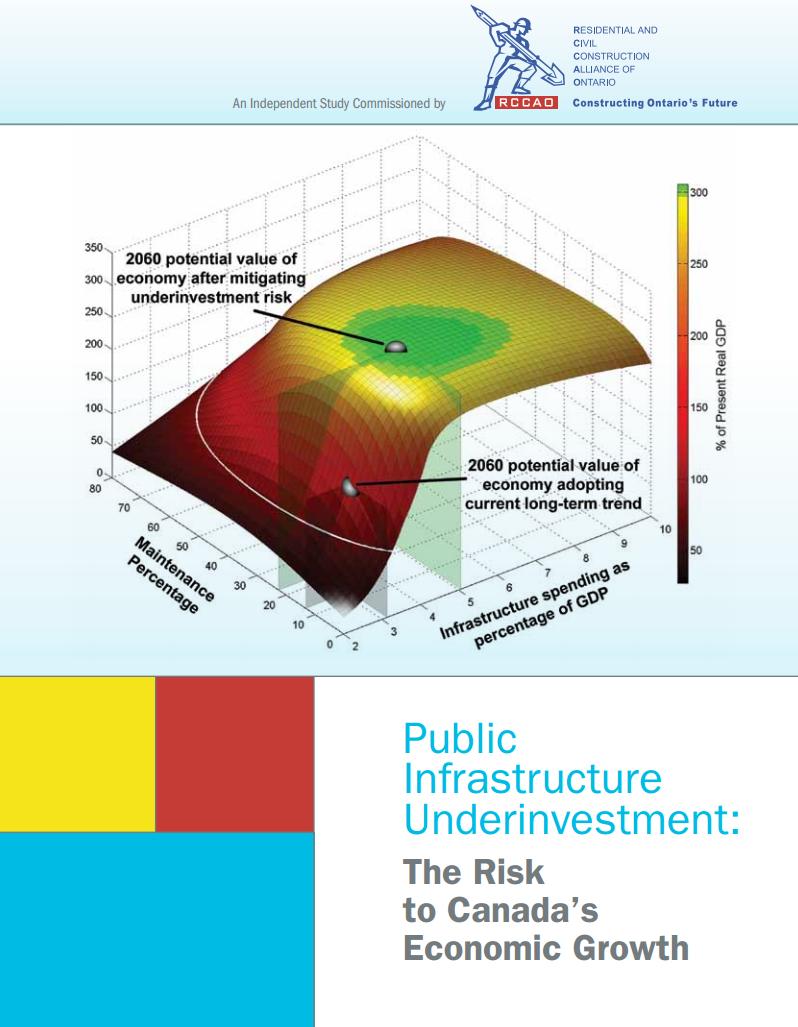
For some time, experts have been warning of a deficit between the current state of Canadian infrastructure and what is required—the so-called “infrastructure gap.” And, while it is well known that the quality and quantity of infrastructure has a direct impact upon how efficiently societies are able to operate and grow, individuals and businesses have yet to connect underinvestment in infrastructure to their personal…
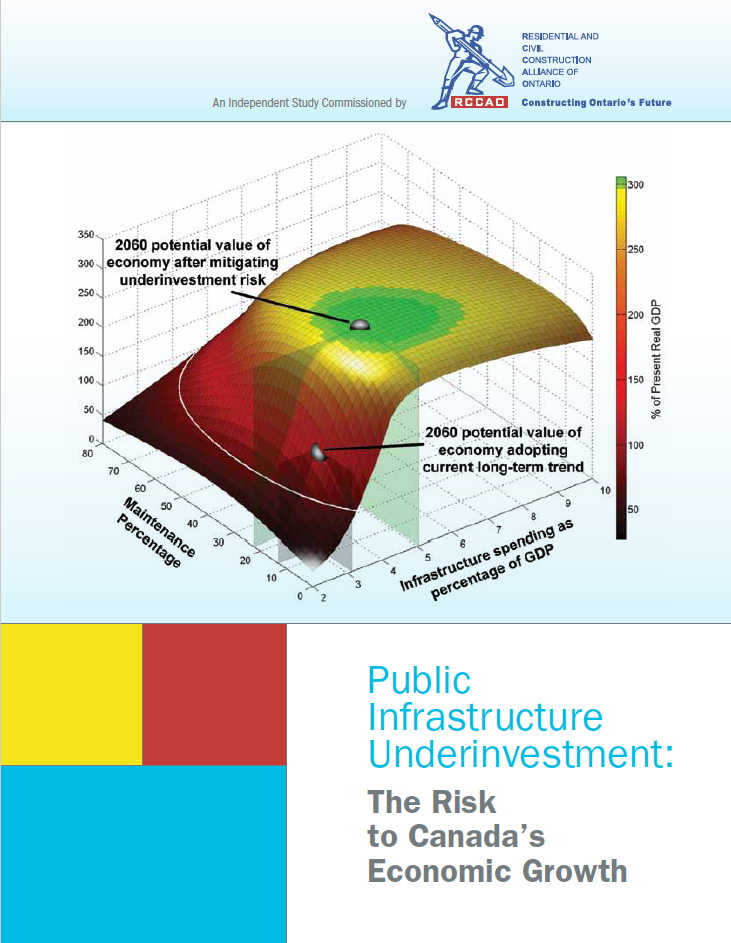
This study set out to assess the long-term economic risks of insufficient public infrastructure investment in Canada. Using a 50-year modelling horizon to 2060, it examined how both the level of overall spending and the balance between new construction and maintenance affect GDP, real after-tax wages, and corporate profitability. The work reframed the concept of an “infrastructure deficit” from an abstract…
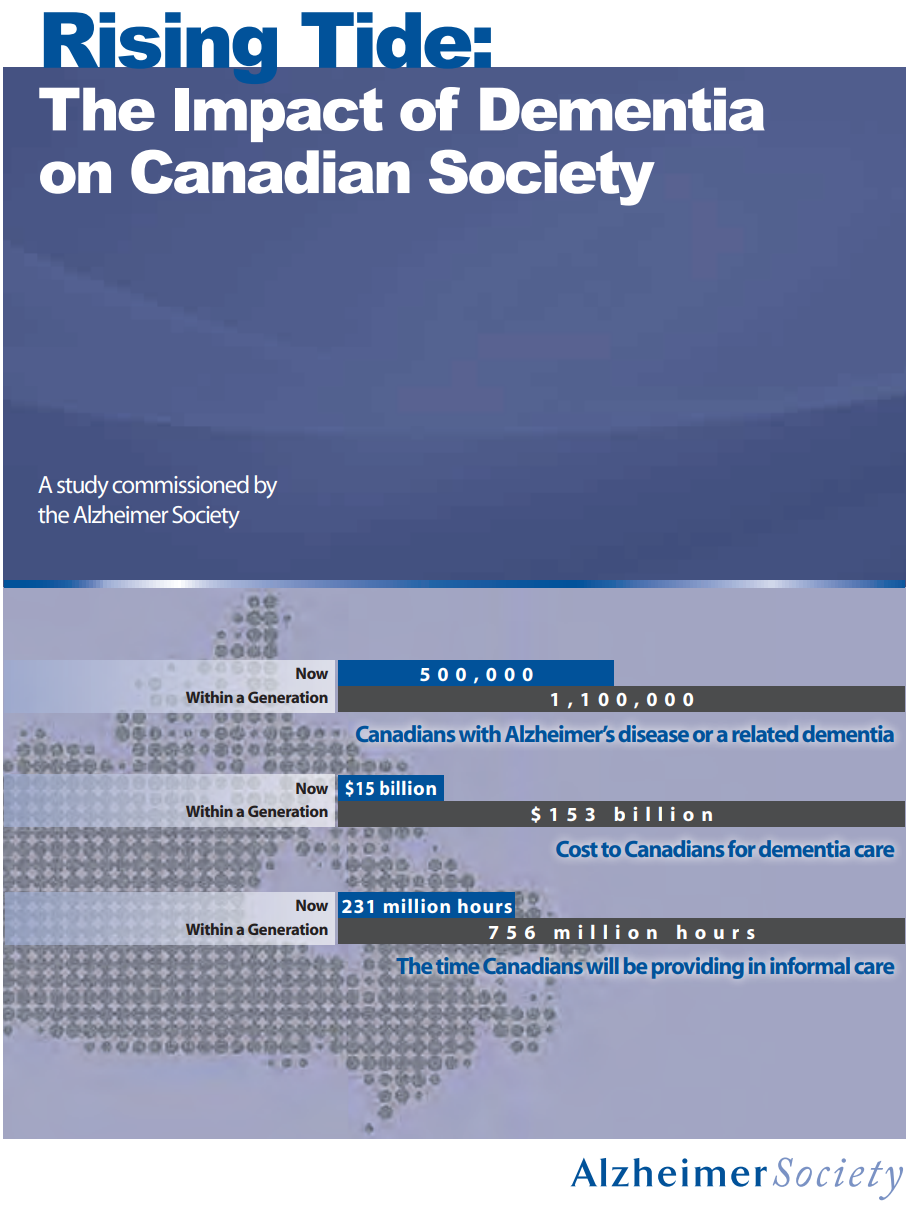
Canada is facing a dementia epidemic and needs to take action now. Approximately 500,000 Canadians have Alzheimer’s disease or a related dementia today. It is the most significant cause of disability among Canadians (65+) and it already costs Canadian society many billions of dollars each year.

Due to the capricious nature of a pandemic, the precise impact of a soH1N1 second wave remains largely a matter of speculation. This is a cause of concern for those responsible for coordinating pandemic responses. Dynamic pandemic modelling can assist resource planners that need to adapt to a pandemic as it unfolds. Since early June, a pandemic model has been periodically fit to soH1N1 Canadian data with resulting…
No publications match those filters.